

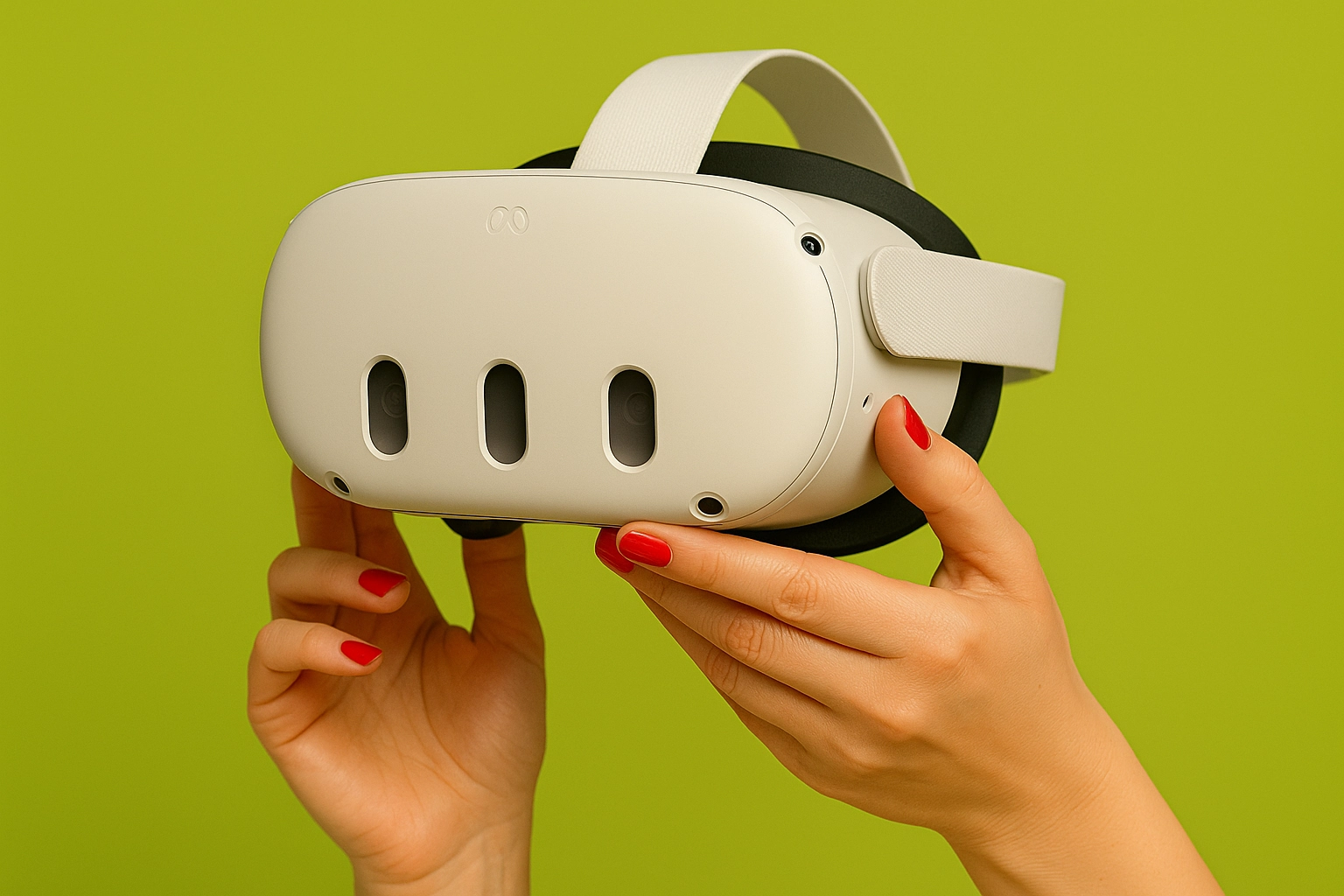
The corporate world has long grappled with the challenge of effectively training employees in soft skills. Traditional methods, while valuable, often lack the immersive realism needed for true behavioral change. Role-playing can feel artificial, and real-world mistakes can be costly. Enter Virtual Reality, a technology traditionally confined to entertainment, now stepping into the spotlight as a powerful learning tool.
PwC’s comprehensive study
PwC’s comprehensive study into the effectiveness of VR for soft skills training offers compelling evidence. The research suggests that VR not only accelerates learning but also leads to higher engagement and better retention of information when compared to traditional classroom settings or e-learning modules.What makes VR so effective for soft skills?
- Immersive Scenarios: VR can simulate realistic workplace situations, allowing learners to practice difficult conversations, manage conflict, or lead a team meeting in a consequence-free environment. This “safe space” encourages experimentation and reduces performance anxiety.
- Empathy Building: By putting learners “in the shoes” of others, VR can foster greater empathy. Imagine a training module where a manager experiences a customer service interaction from the customer’s perspective, or an HR professional navigates a difficult conversation as if they were the employee.
- Real-time Feedback: Advanced VR platforms can provide immediate feedback on body language, tone, and decision-making, allowing learners to adjust their approach and see the direct impact of their actions.
- Scalability and Consistency: VR training modules can be deployed consistently across large organizations, ensuring every employee receives the same high-quality instruction, regardless of location. This is particularly beneficial for global companies.
- Engagement and Memorability: The novelty and interactive nature of VR make learning more engaging and memorable than passive consumption of information, leading to better long-term retention of skills.
PwC’s findings underscore
PwC’s findings underscore a pivotal shift in corporate training. As businesses increasingly recognize the critical role of soft skills in driving performance and fostering positive workplace cultures, VR offers a scalable, engaging, and remarkably effective solution. This isn’t just about trying a new gadget; it’s about embracing a paradigm shift in how we develop the human element of our workforce. The future of professional development is looking distinctly virtual.